Washing Machine Knob Repair: Quick Fix Guide
A washing machine knob that spins uselessly without changing cycles or starting the wash is a frustrating but common household issue. Washing machine knob repair is a quick, low-cost fix that restores full control, often in under 30 minutes. Whether your knob won’t engage, feels loose, or has cracked internally, the solution usually involves replacing a worn plastic hub or reattaching a missing retaining clip. This repair applies to popular brands like GE, Whirlpool, Electrolux, and Frigidaire, and requires only basic tools and an affordable replacement part.
Most problems stem from repeated use, plastic fatigue, or excessive turning force. The good news is that you don’t need professional help. With the right part and a few simple steps, you can get your washer working again for just a few dollars. In this guide, you’ll learn how to diagnose knob failure, remove and replace damaged components, and test your repair for lasting results.
Identify Why Your Knob Is Spinning Freely
Check for Complete Rotation Without Resistance
If the knob turns 360 degrees without any resistance, the internal splines or hub are likely cracked. Even if the outer knob looks perfectly intact, the inner gripping mechanism may be broken. This issue is especially common on older GE models like the WJSR2080T2WW and newer units like the GTW680BMKWS, proving that age isn’t the only factor in knob failure.
Feel for Missing Tactile Clicks
When turning the knob, you should feel distinct clicks between wash settings. No resistance or feedback means the knob has disengaged from the timer shaft. This often happens when the D-shaped or splined shaft no longer connects with the knob’s internal grooves. The absence of tactile feedback is one of the clearest signs that washing machine knob repair is needed.
Inspect the Center Hub for Damage
Remove the knob and examine the center hub carefully. Visible cracks, stripped ridges, or broken tabs indicate internal damage. In some cases, the outer shell spins while the inner dial stays still. This means the knob assembly has separated from the dial assembly, and replacement parts will be needed.
Gather Essential Tools and Correct Replacement Parts
Tools You Will Need
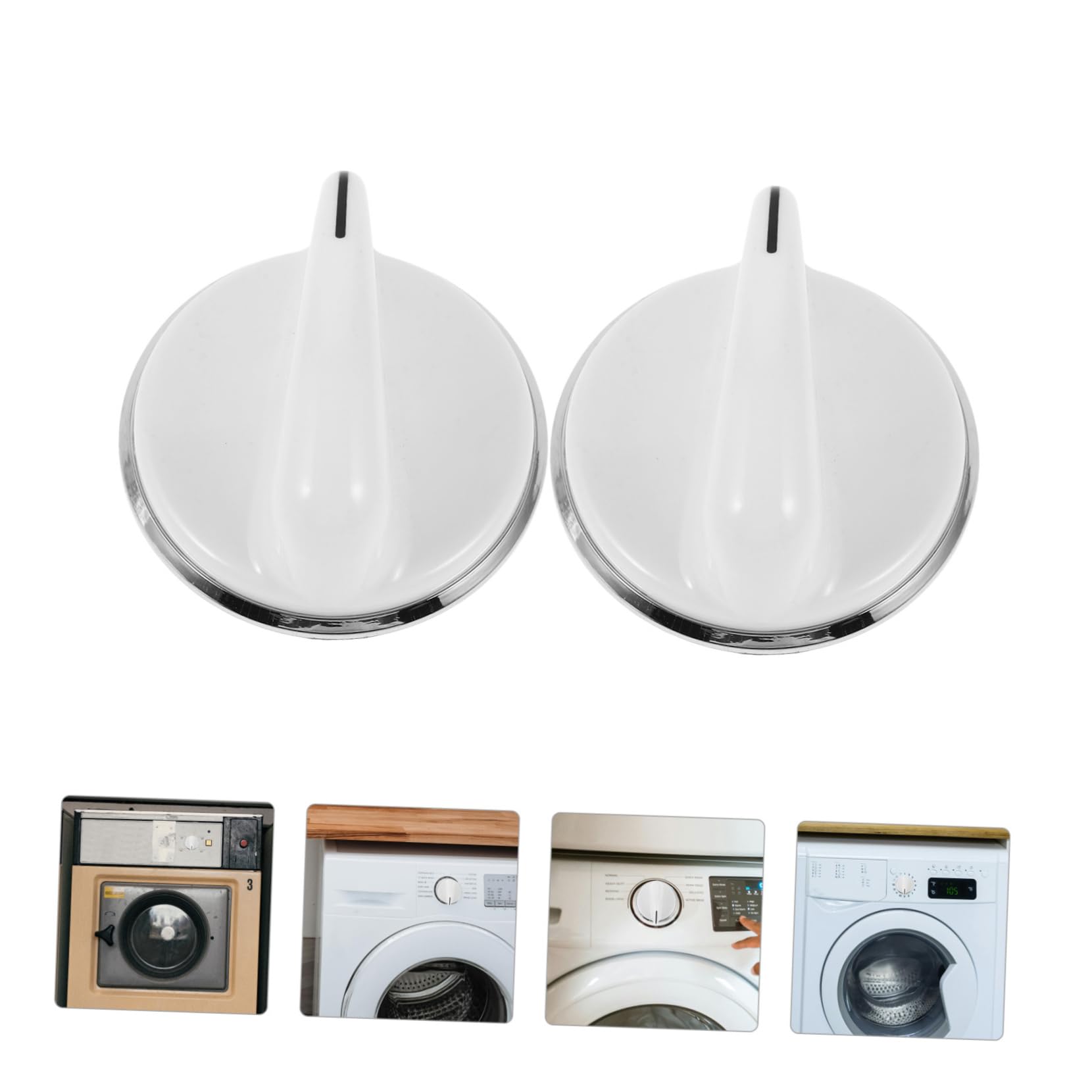
You don’t need expensive equipment for this repair. Most homeowners already have the necessary tools in their toolkit.
• Needle-nose pliers for removing metal retaining clips
• Small flathead or Phillips screwdriver for panel screws
• Putty knife for releasing locking tabs on control panels
• Small container or cup to hold screws during disassembly
Find the Right Replacement Knob
Always match the part number to your specific washer model. Using the correct part ensures proper fit and function.
• GE models: WH01X10310, WH1X2760, LNC6760
• Electrolux and Frigidaire: 134844410, 134886700
• Whirlpool models: ERP W11176265
OEM parts are recommended because they are engineered for exact fit and long-term durability. Prices range from $1.86 to $15.79, with most available online at appliance parts retailers.
Remove the Old Knob Step by Step
Pull the Knob Straight Off
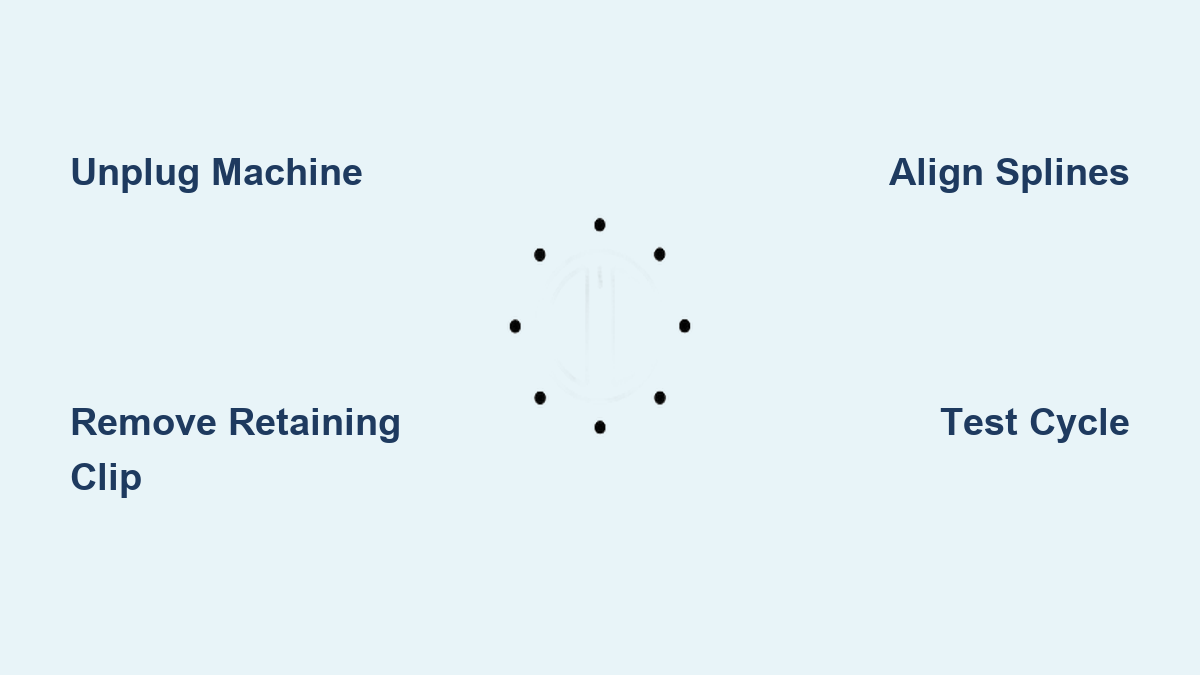
- Unplug the washing machine from the electrical outlet. This is a critical safety step that must never be skipped.
- Grasp the knob firmly and pull straight outward. Apply steady pressure, as some resistance is normal.
- If it doesn’t come off immediately, rotate the knob until you see the end of the retaining clip behind the panel.
Extract the Retaining Clip
- Use needle-nose pliers to grip the metal spring clip firmly.
- Pull the clip straight out without bending or twisting it.
- Once removed, slide the knob off the shaft completely.
- If plastic fragments remain on the shaft, gently pry them off with a flat tool.
Access Internal Components on Electrolux and Frigidaire

Remove Panel Screws
Some models require panel removal to access the internal mechanism properly.
- Locate screws on the front trim, side panel, or kickplate.
- Use a small screwdriver to remove each screw carefully.
- Place all screws in your container to prevent losing them.
Release Locking Tabs with Putty Knife
- Slide a putty knife under the front edge of the control panel.
- Press inward to release the plastic clips holding the panel in place.
- Gently pivot the panel upward or forward to expose the timer shaft and internal components.
Inspect Dial and Knob Assemblies
- Look for the dial assembly and knob assembly inside the panel.
- If these components are disconnected, realign and snap them back together.
- Replace any broken clips or damaged hubs before reassembling the panel.
Install the New Knob Properly
Confirm Compatibility Before Installing
Double-check that your new knob matches your washer model exactly. Even if the appearance is slightly different, as long as the part number matches, it will work correctly. Many replacement knobs come with pre-installed retaining clips, which simplifies installation.
Align Splines with the Timer Shaft
- The timer shaft is typically D-shaped or splined.
- Match the knob’s internal bore with the shaft exactly.
- Misalignment causes slippage or improper seating.
- Hold the knob straight and press firmly until it snaps into place.
Reattach the Retaining Clip
- Pull the clip tab outward before sliding it onto the shaft.
- Press the knob down fully so the clip engages properly.
- You will hear or feel a distinct snap when the knob is secure.
Test Your Repair Thoroughly
Rotate the Knob Manually
Turn the knob through all available positions. It should move smoothly with clear tactile feedback. There should be no free spinning or wobbling once the repair is complete.
Verify Pointer Alignment
Ensure the indicator on the knob lines up correctly with cycle labels like “Normal” or “Delicate.” Misalignment suggests the knob is not seated properly on the shaft.
Pull Gently on the Knob
Test for security by gently pulling outward. The knob should not detach or wiggle. If it feels loose, recheck the retaining clip and shaft fit.
Run a Full Test Cycle
- Plug in the washing machine.
- Start a short wash cycle.
- Confirm that cycle selection works correctly.
- Verify the machine starts and runs without error behaviors.
If the knob still spins freely after these tests, the issue may lie deeper in the timer mechanism or dial assembly.
Understand How Washing Machine Knobs Work
Friction-Fit with Retaining Clip Design
Most knobs are not glued or screwed onto the shaft. Instead, they use a tight friction fit combined with a metal retaining clip to prevent pull-off. This design allows for easy replacement without disassembling internal electronics.
Shaft and Knob Interface
The timer shaft transfers rotation to the washing machine’s control system. If the knob’s internal splines are stripped, torque is not transmitted properly. This explains why the knob spins without engaging the machine.
Brand-Specific Fastening Systems
• GE models use spring clips accessed by rotating the knob
• Whirlpool models use D-shaped shafts and clips similar to GE
• Electrolux and Frigidaire often require panel access and use snap-fit mechanisms
Solve Common Problems During Repair
Knob Won’t Come Off
Apply steady pulling force. On older models, plastic may have bonded slightly to the shaft. Try wiggling gently while pulling straight outward. Avoid twisting or prying, which can damage the panel.
Cannot Find the Retaining Clip
Rotate the knob slowly and look behind the control panel. The clip end usually becomes visible at a specific rotation point. On GE models, this is sometimes called the “beefy end.”
New Knob Feels Loose
Recheck the alignment. The splines must fully engage the shaft completely. Also verify that the retaining clip is installed correctly and has snapped into place.
Washer Still Not Responding
The knob may not be the only faulty component. If the timer mechanism or dial assembly is damaged, those parts may also need replacement. These repairs are more complex but still manageable for DIYers.
Save Money with DIY Washing Machine Knob Repair
Cost Comparison
| Option | Average Cost |
|---|---|
| Replacement knob (OEM) | $2–$16 |
| Professional repair call | $100–$200 |
| New washing machine | $500+ |
Replacing the knob yourself saves over 90% compared to service fees and prevents premature appliance replacement. The minimal investment of time and money makes washing machine knob repair one of the most cost-effective DIY fixes.
Why OEM Parts Are Worth the Investment
Aftermarket knobs may fit loosely or break faster than original equipment. OEM parts like WH01X10310 or ERP W11176265 are built to last and ensure precise engagement with the timer shaft.
Prevent Future Knob Failures
Avoid Excessive Force When Turning
Never yank or over-tighten the knob when changing cycles. Gentle, deliberate movements extend the knob’s lifespan significantly.
Check for Looseness Periodically
If the knob starts to wobble, inspect it early. Catching wear before complete failure prevents debris from jamming internal parts and makes repair simpler.
Keep a Spare Knob On Hand
For older models, future availability is not guaranteed. Order a spare knob now using your model number to avoid being without a working washer later.
Get Additional Support When Needed
Use Your Model Number to Verify Parts
Find your washer’s model number in these common locations.
• Behind the door or lid
• Front panel or kickplate
• Back of the unit
• Inside the user manual
Enter the model number on parts retailer websites to confirm compatibility before ordering.
Watch Video Tutorials for Visual Help
Manufacturers and retailers offer step-by-step videos on YouTube. Search for your specific part number installation to see the exact procedure.
Contact Technical Support
Most parts sellers provide phone or chat support. Use these resources if you are unsure about disassembly or part fit.
Key Takeaways for Washing Machine Knob Repair
Always unplug the washing machine before starting any repair work. Take photos during disassembly to remember screw locations and wiring connections. Do not over-tighten screws, as plastic panels crack easily. Trust OEM parts, as they are worth the small extra cost. Test the repair thoroughly by manually rotating the knob and running a real wash cycle.
A free-spinning knob does not mean your washing machine is broken. With the right part and these steps, washing machine knob repair is one of the easiest and most satisfying fixes you can do. In less time than a service technician takes to arrive, you will have full control back, and you will save money in the process.
Frequently Asked Questions About Washing Machine Knob Repair
How do I know if my washing machine knob needs replacement?
If the knob spins freely without any resistance or clicks, it has lost engagement with the timer shaft. Other signs include visible cracks around the center hub, a wobbly feel when turning, or the machine not responding to cycle changes.
Can I repair a washing machine knob without professional help?
Yes, most washing machine knob repairs are simple DIY tasks that take 15 to 30 minutes. You only need basic tools like needle-nose pliers and a screwdriver. The repair involves removing the old knob, checking for damaged clips, and installing a replacement part.
Why does my washing machine knob spin but not work?
This happens when the internal splines or hub are cracked. The outer knob appears intact, but the connection to the timer shaft is broken. The knob rotates freely because it is no longer gripping the D-shaped or splined shaft properly.
How much does a replacement washing machine knob cost?
Replacement knobs typically cost between $1.86 and $15.79, depending on the brand and model. OEM parts are recommended for proper fit and durability. Professional repair calls cost $100 to $200, making DIY repair significantly cheaper.
What tools do I need to replace a washing machine knob?
You will need needle-nose pliers, a small screwdriver, a putty knife, and a container for screws. These basic tools are sufficient for most GE, Whirlpool, Electrolux, and Frigidaire models.
Where can I find the correct part number for my washing machine knob?
Model numbers are located behind the door or lid, on the front panel or kickplate, on the back of the unit, or in the user manual. Enter this number on websites like AppliancePartsPros.com or RepairClinic.com to find compatible replacement parts.