How to Wash Velcro in Washing Machine
Velcro can be washed in the washing machine without losing its stick, but only if you follow the right steps. When hook-and-loop fasteners are left unfastened or exposed to harsh conditions, they collect lint, lose grip, and can permanently damage both the hooks and loops. The good news? Proper machine washing actually preserves Velcro’s performance and can extend its life to thousands of uses. In this guide, you’ll learn the exact process to clean Velcro safely, avoid common mistakes, and keep your gear functioning like new.
Fasten Velcro Before Washing
Why Closed Fasteners Matter
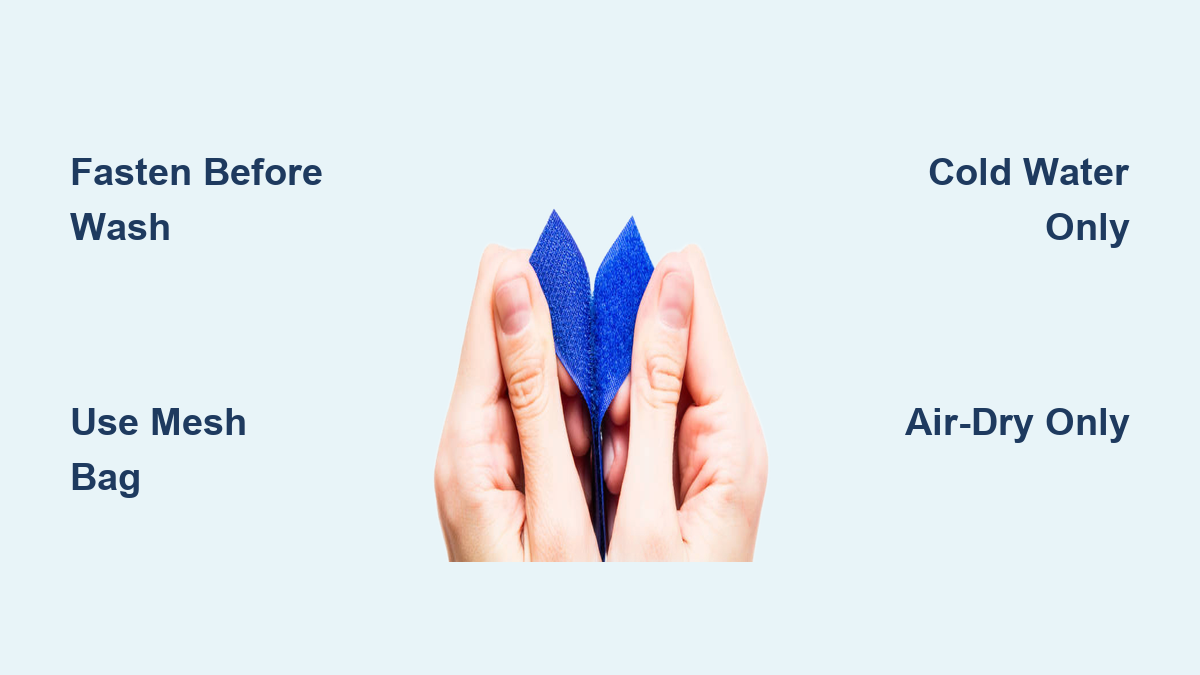
Always close the hook and loop sides together before washing. An open Velcro strip acts like a magnet for lint, hair, and fabric fibers floating in the wash water. When loose, the hooks snag on towels, fleece, and other fabrics, causing pilling and damage to both your clothes and the fastener. Most importantly, trapped debris clogs the hooks over time, reducing their ability to grip.
Mark Elliott from Velcro Companies confirms that engaging the fastener protects the hooks and preserves strength. Think of it like zipping up a jacket before washing—you’re not just securing it, you’re shielding the mechanism from damage.
How to Check Proper Closure
Press both sides together firmly and run a finger over the surface. No exposed hooks should be visible when properly closed. If the Velcro won’t stay closed, clean it first to remove debris before washing.
Use a Mesh Laundry Bag
Protect Loose or Small Items
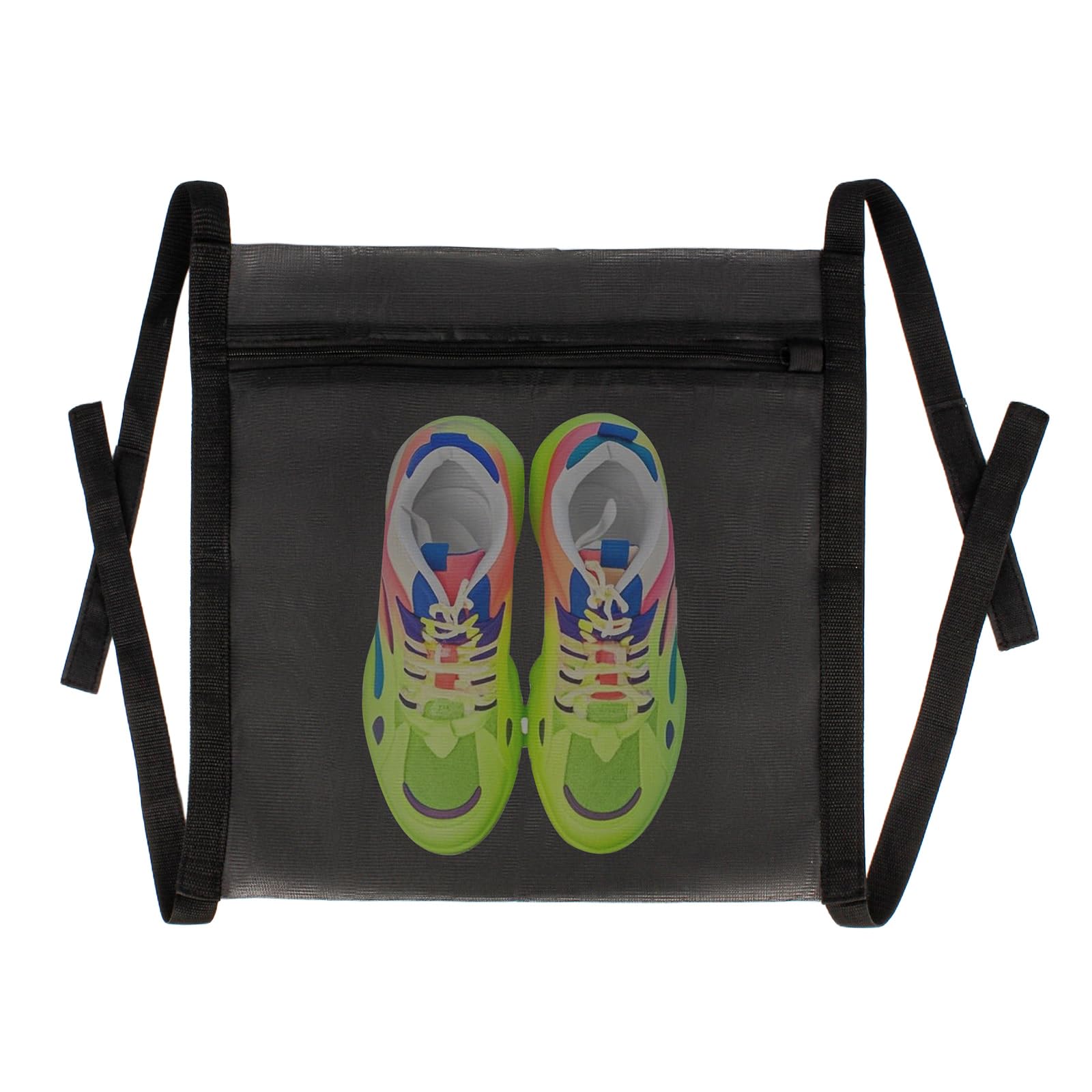
For small Velcro straps, patches, or items with loose edges, a mesh laundry bag provides essential protection. It prevents entanglement with other garments and reduces direct contact with the washing machine drum during agitation. This is especially important for detachable Velcro patches, shoe straps, pet collar fasteners, and children’s toy closures. Place the entire item inside the bag, fastened shut, before loading the machine.
Choose the Right Bag Size
Use fine-mesh bags rather than net-style bags to block lint infiltration. Ensure the bag allows water flow by not overcrowding it. Consider labeling the bag if you use it exclusively for delicate items to avoid mix-ups with regular laundry.
Set the Right Wash Cycle
Choose Gentle, Cold, or Warm Water
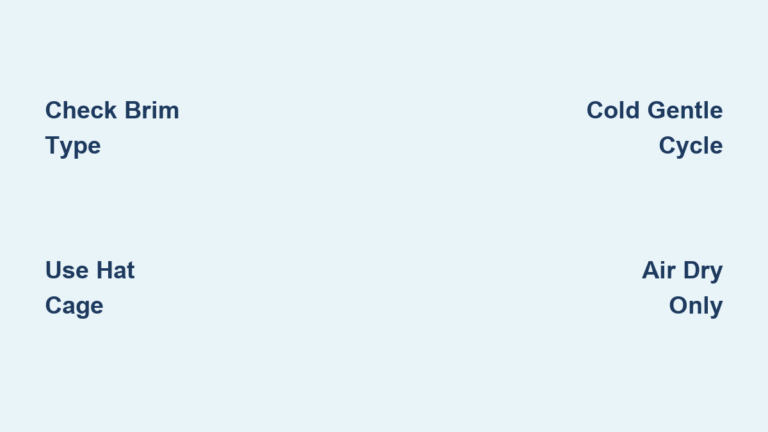
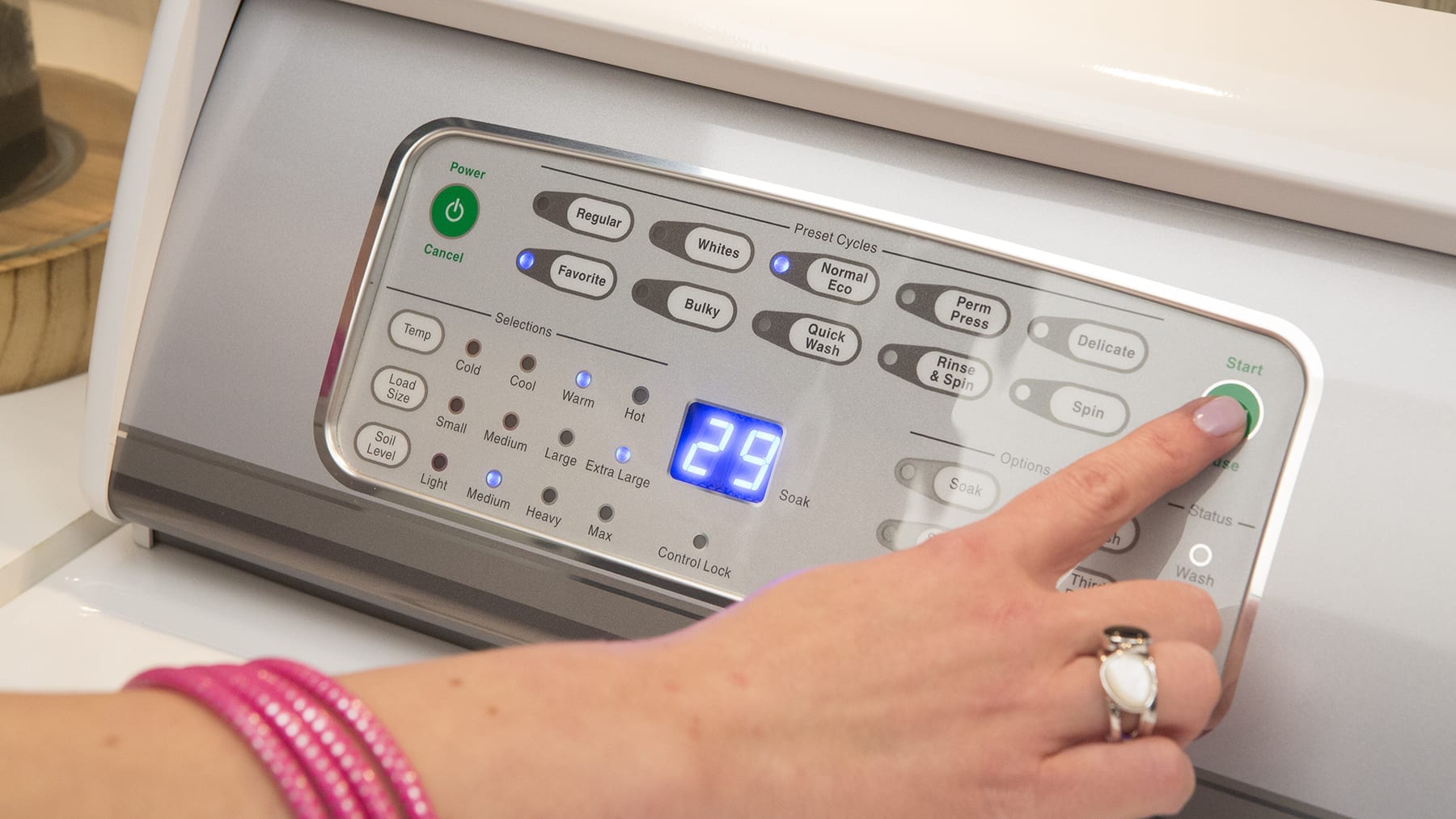
Use the delicate or gentle cycle with cold or warm water. The water temperature should not exceed 104°F (40°C). Hot water softens nylon hooks, causing them to bend or lose rigidity permanently. Over time, this leads to permanent stickiness loss. Warm water is acceptable for stained items, but cold water is safest for regular cleaning. Avoid heavy-duty, sanitize, or speed-wash cycles, as aggressive tumbling increases friction and mechanical stress on the fastener.
Use Mild Detergent Only
Choose a mild, bleach-free detergent labeled for delicates or sportswear. Harsh chemicals like bleach break down nylon and polyester, weakening both hooks and loops. Fabric softeners are even worse—they leave a waxy residue that coats the hooks, making them slippery and ineffective. Avoid detergent pods, as they can dissolve unevenly and leave residue on the fastener.
Avoid These Washing Mistakes
Never Leave Velcro Unfastened
Unsecured Velcro grabs lint, hair, and fibers during the wash cycle. Once embedded, this debris becomes hard to remove and can permanently reduce grip. This mistake is especially common with shoe straps and jacket cuffs. Treat Velcro like zippers—always close them before washing.
Skip Bleach and Fabric Softener
Both products are Velcro killers that should be avoided at all costs. Bleach degrades synthetic fibers in both hooks and loops. Fabric softener coats hooks with residue that blocks loop engagement. Even “gentle” or “natural” softeners can impair performance. If you must soften fabrics, use wool dryer balls during air drying instead.
Do Not Wash With Lint-Producing Fabrics
Avoid washing Velcro items alongside towels, fleece, sweatshirts, or blankets. These fabrics shed lint that sticks to the hook side and is difficult to remove. Instead, wash Velcro items with similar gear like sportswear or outdoor clothing that produces less lint.
Clean Debris Before Washing
Remove Lint and Hair First
Even before the machine, clean visible debris from the hook side. Clogged hooks won’t clean properly in water. Use a stiff toothbrush to brush in one direction and dislodge dirt. A fine-tooth comb works well for wide strips. Tweezers can pull out stubborn clumps. A T-pin or crochet hook slides through hooks to lift deep debris. A duct tape or lint roller pressed and peeled against the surface also works effectively.
Try the Velcro-on-Velcro Trick
Use another piece of Velcro with the hook side to scrub the dirty one. Press and pull across the surface—the hooks grab embedded fibers and lift them out. This method is fast, effective, and requires no extra tools. Do this weekly for high-use items like shoes or pet collars.
Air-Dry Only—No Dryer

Lay Flat or Hang to Dry
After washing, never put Velcro in the dryer. Heat and tumbling warp hooks, melt adhesive backing, and reduce stickiness permanently. Lay items flat on a clean towel away from direct sunlight. Hang items on a non-metal hanger if the item allows. UV rays and heat degrade nylon, so avoid windowsills, radiators, or heated rooms.
Speed Up Drying Safely
Use a fan for airflow but keep it dust-free. Open a window for ventilation. Flip items halfway through drying. Ensure items are completely dry before storing or reusing—damp Velcro can mildew or weaken adhesive.
Know What Not to Machine Wash
When Hand Washing Is Safer
Some Velcro items shouldn’t go in the machine. Uniform patches with embroidered borders, electronics cases with adhesive-backed strips, and medical or tactical gear with specialty backing may be damaged. For these items, hand wash by rinsing under cool running water, gently scrubbing with mild soap and a soft brush, rinsing thoroughly, and air-drying. Always check manufacturer labels first.
Spot-Clean Delicate Items
Use a damp cloth with mild soap to wipe down Velcro on baby strollers, diaper bag closures, and car seat straps. Avoid soaking these items. Blot dry with a clean towel instead.
Prevent Future Buildup
Keep Velcro Closed When Idle
Always fasten Velcro when not in use. An open hook side collects dust, pet hair, and lint from the air and surfaces. Mark Elliott advises that the hook portion should be covered at all times. Make it a habit like closing a pen or zipping a bag.
Clean Weekly on High-Use Items
Kids’ shoes, pet collars, gym bags, and work uniforms need weekly brushing. A 30-second lint check prevents long-term clogging. Keep a small brush in your laundry room or garage for quick cleanups.
Inspect for Wear and Tear
Look for bent or broken hooks, separation from backing, and faded or frayed loops. If hooks no longer grip, cleaning won’t help—replace the strip instead.
Store Velcro Properly
Keep in a Cool, Dry Place
Store items in a closet or drawer away from sunlight, heat sources like radiators and attics, and moisture from basements and bathrooms. Heat weakens adhesive while humidity promotes mold growth.
Avoid Stacking Loose Patches
Never toss multiple Velcro patches into a bin loose. They’ll stick together and tear when pulled apart. Instead, attach them to a felt sheet, use a patch display board, or store them in individual bags. For straps, coil and fasten them to prevent creasing.
Extend Velcro Lifespan
Follow the 3-Step Maintenance Routine
Engage the fastener when not in use, clean debris weekly, and wash monthly with proper settings when needed. This simple routine keeps Velcro functional for years.
Choose Quality Fasteners
Not all Velcro is equal. VELCRO brand fasteners are engineered to withstand repeated washing. Generic versions often use weaker nylon or adhesives that fail faster. When replacing, opt for trusted brands.
Replace When Necessary
Even well-maintained Velcro wears out. If it won’t hold, hooks are flattened, or backing is peeling, it’s time to replace. Peel off old strips and apply new ones with strong adhesive or sewing.
Frequently Asked Questions About Washing Velcro in the Washing Machine
Can I put shoes with Velcro in the washing machine?
Yes, shoes with Velcro straps can be machine washed. Close the fasteners first, place them in a mesh laundry bag, use a gentle cycle with cold or warm water, and air-dry completely. Remove any removable insoles before washing.
Will machine washing damage Velcro?
Machine washing won’t damage Velcro if you follow proper steps. Close the fastener, use a gentle cycle with mild detergent, avoid bleach and fabric softener, and air-dry. Improper washing (leaving it unfastened, using hot water, or drying in a machine) causes damage.
How do I clean lint out of Velcro?
Use a stiff toothbrush, fine-tooth comb, tweezers, or a lint roller to remove lint and hair. The Velcro-on-Velcro trick—rubbing another piece of hook-side Velcro against the clogged area—effectively pulls out embedded debris.
What temperature water is safe for Velcro?
Use cold or warm water up to 104°F (40°C). Hot water softens nylon hooks and causes permanent deformation. Cold water is the safest choice for regular cleaning.
Can I use fabric softener on Velcro?
No. Fabric softener leaves a waxy residue that coats the hooks and prevents them from gripping the loops. This residue is difficult to remove and permanently reduces stickiness.
How often should I clean Velcro on high-use items?
Clean Velcro weekly on items like shoes, pet collars, gym bags, and work uniforms. A quick 30-second brush to remove lint prevents long-term buildup and extends the fastener’s life.
Key Takeaways for Washing Velcro in the Washing Machine
Velcro can safely go in the washing machine when you follow the right precautions. Always fasten the hook and loop sides together before washing to protect the hooks and prevent lint buildup. Use a mesh laundry bag for small or loose items, choose a gentle cycle with cold or warm water, and stick to mild, bleach-free detergent. Never use fabric softener, and always air-dry away from heat and sunlight. For delicate items like uniform patches or electronics cases, hand washing remains the safest option. Regular maintenance—including weekly debris removal, keeping fasteners closed when idle, and proper storage—keeps Velcro sticky and strong for thousands of uses.