Clean Concrete Without Pressure Washer: Quick Steps
You do not need expensive high-pressure equipment to restore dull or stained concrete surfaces. Skipping the pressure washer actually protects your driveway from etching and micro-cracks while delivering deep cleaning results.
This guide explains exactly how to clean concrete without a pressure washer using household ingredients and safe commercial products. You will learn targeted methods for oil stains and mold plus long-term maintenance tips to keep your patio looking new.
Apply White Vinegar Solution for Mildew and Grime

White vinegar acts as a natural acid that breaks down organic growth without harming the environment. This method works best on unsealed surfaces with visible algae or mineral deposits.
Mix and Apply the Vinegar Solution
Combine one part white vinegar with three parts water in a bucket or spray bottle. Pour the mixture directly onto the concrete focusing on discolored areas.
Let the solution sit for 15 to 20 minutes so the acid can dissolve grime. Scrub the area thoroughly with a stiff-bristle brush to lift loosened debris before rinsing with a garden hose.
Pro Tip: Cover tough spots with plastic sheeting during the dwell time to prevent evaporation and boost effectiveness.
Check Compatibility with Sealed Surfaces
Never use vinegar on sealed concrete unless the manufacturer confirms acid resistance. The acid can dull or degrade certain sealants leading to water penetration over time.
Always perform a patch test in a hidden spot first. Stop immediately if the surface darkens or bubbles during the test.
Use Baking Soda Paste for Light Stains

Baking soda serves as a gentle abrasive that lifts dirt without scratching the concrete surface. It is an ideal choice for light oil grease or mildew stains.
Create and Apply the Cleaning Paste
Mix baking soda with water until it forms a thick toothpaste-like consistency. Apply the paste directly to stained areas where contaminants have settled.
Allow the paste to sit for 15 to 30 minutes to draw out moisture and loosen debris. Scrub with a stiff brush using circular motions then rinse the area completely.
Why It Works: Baking soda neutralizes odors and breaks down fatty acids in grease making it perfect for garage floors.
Ensure Safety Around Plants and Pets
This method is non-toxic and safe around landscaping unlike harsh chemical alternatives. Just avoid excessive buildup in soil as it can alter pH levels over time.
Boost Cleaning Power with Fizz Reaction
Combine vinegar and baking soda to create a fizzy reaction that helps lift stubborn calcium deposits. This mechanical action pushes deep grime out of concrete pores.
Activate the Carbonation Effect
Sprinkle dry baking soda generously over the stain then spray white vinegar on top. Watch it foam as the reaction releases carbon dioxide to dislodge dirt.
Let the mixture bubble and sit for 10 to 15 minutes before scrubbing vigorously. Repeat the process if necessary for older set-in stains.
Expert Note: This combo does not increase cleaning strength permanently but the physical fizz helps dislodge debris effectively.
Remove Oil Stains with Absorbent Powder
Oil penetrates deep into concrete so surface cleaning alone will not fix the problem. You need absorption to pull the oil out of the pores first.
Apply Cornstarch or Baking Soda
Sprinkle cornstarch or baking soda generously over fresh or aged oil stains. These powders are highly absorbent and pull oil from the concrete pores.
Let the powder sit for several hours to overnight to draw out the maximum amount of oil. Sweep up the powder with a broom then scrub the area with soapy water.
Critical Step: Blot fresh spills immediately before applying powder because faster action yields better results.
Repeat Treatment for Old Stains
Deep dark oil stains may require two or three treatments to fully remove. Follow up with an oxygen bleach solution to lift any remaining discoloration.
Scrub with Borax and Dish Soap Mixture
This homemade degreaser cuts through grime and deodorizes the surface at the same time. It is excellent for general maintenance on driveways and walkways.
Mix the Cleaning Solution
Combine one cup of Borax and half a cup of dish soap with one gallon of warm water. Stir until the Borax is fully dissolved then pour onto the concrete.
Scrub and Rinse Thoroughly
Use a long-handled brush to agitate the surface working in sections. Let the solution dwell for 5 to 10 minutes then rinse with a hose.
Why It Is Effective: Borax boosts cleaning power and inhibits mold regrowth while dish soap emulsifies oils.
Ideal for Routine Maintenance
Use this mix monthly to keep patios and garage floors looking clean. It prevents buildup without damaging the concrete structure.
Clean General Dirt with Simple Dish Soap
You do not need anything fancy for light cleaning tasks on your concrete. A basic soap solution handles dust and light dirt effectively.
Use Dawn or Similar Degreaser
Mix a few tablespoons of blue Dawn dish soap into a bucket of warm water. Apply with a mop or sponge and scrub with a brush.
Rinse thoroughly to remove all suds and lifted dirt. This method is perfect for spring cleaning or after clearing leaves.
Time-Saving Hack: Use a push broom dipped in soapy water to cover large areas quickly.
Treat Mold and Mildew with Oxygen Bleach
Chlorine bleach damages concrete and harms plants so use oxygen bleach instead. Sodium percarbonate releases hydrogen peroxide to kill mold safely.
Choose Sodium Percarbonate
Mix oxygen bleach powder with water according to package instructions. Apply to affected areas where mold or algae has grown.
Avoid Direct Sunlight During Application
Never apply oxygen bleach in full sun because UV rays cause it to break down too fast. Apply on cool overcast days for best results.
Let it dwell for 15 to 30 minutes then scrub lightly and rinse. It breaks down into oxygen and soda ash which are harmless to soil.
Use 30 Seconds Outdoor Cleaner for Heavy Duty Jobs
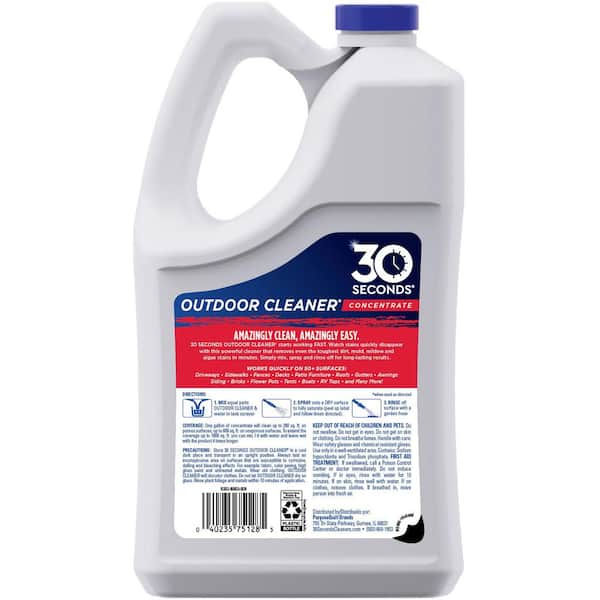
Commercial products like 30 Seconds Outdoor Cleaner offer fast reliable results on large surfaces. This method mimics professional cleaning without high-pressure equipment.
Prepare and Saturate the Surface
Mix equal parts cleaner and water in a garden sprayer. Spray the solution until the concrete is fully saturated and pooling.
Reapply immediately if the surface starts drying within minutes. Proper saturation is key to deep cleaning performance.
Wait 15 Minutes Before Rinsing
Let the cleaner dwell for 15 minutes to penetrate pores and dissolve stains. Lightly brush tough areas and spray a second coat if needed.
Rinse with a regular hose since no pressure is required. The formula is safe for lawns and landscaping when used as directed.
Try Steam Cleaning for Chemical-Free Sanitizing
Steam cleaning uses heat instead of pressure to clean and sanitize concrete surfaces. It kills 99.9 percent of mold and bacteria instantly.
How the Steam Process Works
A steam cleaner delivers high-temperature vapor over 200 degrees Fahrenheit. This heat loosens dirt bonds without any chemicals.
Rent an outdoor steam cleaner and move slowly at about one foot per second. This method is best for patios and walkways near gardens.
Limitation: Steam is less effective on deeply set oil stains so combine with absorbent powders.
Test All Cleaners Before Full Application
Never skip the patch test especially on colored or sealed concrete surfaces. Testing prevents irreversible damage from incompatible cleaners.
Conduct a Hidden Spot Test
Choose an inconspicuous area behind a planter or under a step. Apply your chosen cleaner and let it dwell as directed.
Wait 10 minutes then scrub and rinse the test spot. Check for discoloration etching or gloss changes before proceeding.
Protect Sealed Concrete Surfaces
Sealers guard against stains but some cleaners can damage them permanently. You must verify compatibility before applying any solution.
Check Sealant Compatibility
Avoid acidic cleaners like vinegar on sealed concrete unless labeled safe. Stick to pH-neutral or concrete-safe products to preserve the sealant.
Reapply Sealer Every 2 to 3 Years
A fresh sealer makes future cleaning easier by preventing stain penetration. Apply a penetrating concrete sealer with a roller after cleaning.
Pro Tip: Sprinkle water on the surface to test. If it beads up the sealer works but if it soaks in you need to reseal.
Maintain Clean Concrete Long Term
Prevention beats deep cleaning every time when caring for concrete surfaces. Simple habits extend the life and look of your driveway.
Sweep Regularly and Clean Spills
Sweep weekly to prevent dirt from grinding into the concrete with foot traffic. Clean spills immediately by blotting and applying absorbent powder.
Avoid Harsh Chemicals and Reseal
Repeated use of strong acids erodes concrete leading to pitting and cracking. Stick to gentle formulas and reseal every few years.
Frequently Asked Questions About Cleaning Concrete Without Pressure
Can I clean concrete without a pressure washer effectively?
Yes you can clean concrete effectively using vinegar baking soda and scrubbing. These methods remove stains and grime without risking surface damage from high pressure.
What is the best homemade concrete cleaner?
A mix of vinegar and water works well for mildew while baking soda paste handles oil. For heavy duty jobs oxygen bleach or commercial cleaners are superior.
How do I remove oil stains without high pressure?
Sprinkle cornstarch or baking soda on the stain and let it sit overnight. Sweep it up then scrub with soapy water to remove remaining residue.
Is vinegar safe for all concrete surfaces?
No vinegar is acidic and can damage sealed concrete or certain sealants. Always patch test in a hidden area before full application.
How often should I clean my concrete driveway?
Sweep weekly and perform a deep clean with soap or vinegar seasonally. Reseal the surface every 2 to 3 years to maintain protection.
Does steam cleaning work on concrete?
Yes steam cleaning uses heat to sanitize and loosen dirt without chemicals. It is ideal for patios but less effective on deep oil stains.
Key Takeaways for Cleaning Concrete Without a Pressure Washer
You now know how to clean concrete without a pressure washer using safe effective methods. Vinegar baking soda and oxygen bleach remove stains while protecting your surface from damage.
Start with a patch test and choose the right solution for your specific stain type. Regular sweeping and resealing will keep your concrete looking new for years.