How to Winterize a Pressure Washer
Leaving water inside your machine when temperatures drop is the fastest way to destroy your equipment. Freezing water expands with enough force to crack pump housings and ruin seals while old fuel gums up carburetors within just 30 days.
This guide shows you exactly how to winterize a pressure washer using antifreeze flushes or compressed air methods. You will learn to protect both gas and electric models so they start reliably next spring without costly repairs.
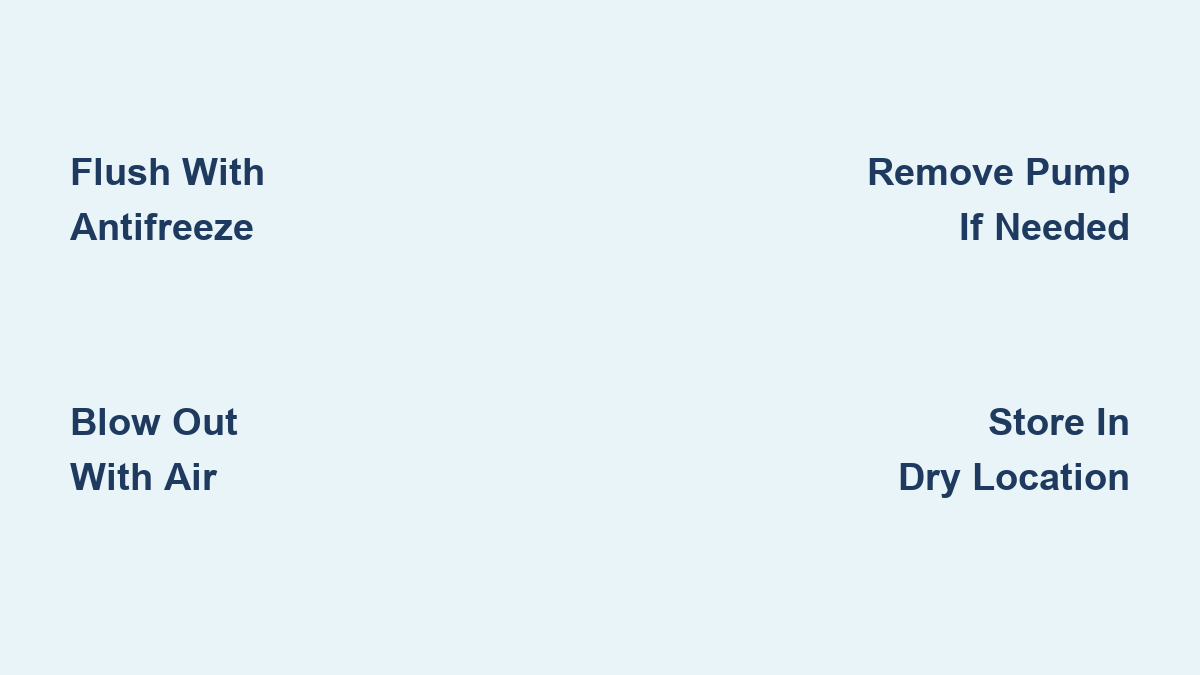
Flush the Pump with Non-Toxic Antifreeze
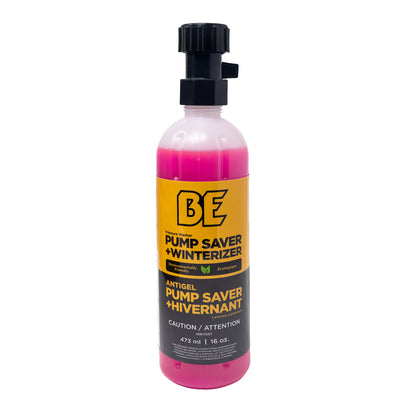
The most effective way to winterize a pressure washer is by displacing all residual water with specialized antifreeze. Standard draining often leaves moisture trapped in valves that will freeze and cause catastrophic failure.
Why Gravity Flushing Works Best
Gravity allows the fluid to enter slowly and push water out without forcing air into the system. This method ensures complete coverage of internal seals which prevents them from drying out during long storage periods.
Step-by-Step Flushing Procedure
- Disconnect the unit from any water source and point the wand into a drain.
- Attach a short hose or aerosol can directly to the water inlet port.
- Pour non-toxic propylene glycol antifreeze into the hose or activate the can.
- Watch the outlet stream until it turns a solid pink color consistently.
- Pull the starter cord twice on gas models or tap power on electric units.
- Disconnect the fluid source and store the machine in a dry location.
Pro Tip: A single 10.7-ounce can of aerosol Pump Saver often lasts up to three seasons for occasional users.
Use Compressed Air to Blow Out Water
You can remove water mechanically if you prefer not to use chemicals. This method requires an air compressor and careful pressure management to avoid damaging internal components.
Required Tools and Setup
- Air compressor with an adjustable regulator
- Garden hose-to-air chuck adapter
- Safety glasses for eye protection
Safe Blow-Out Steps
- Drain the system by disconnecting the wand and letting gravity remove bulk water.
- Connect your air adapter securely to the pump water inlet.
- Set the compressor regulator to low pressure between 20 and 30 PSI.
- Activate the air supply and blow through the pump until only dry air exits.
- Pull the starter cord gently while blowing air to help dislodge trapped drops.
Warning: Never exceed 50 PSI as high pressure can rupture seals or damage valves permanently.
Remove the Pump for Extreme Cold Climates
Physically detaching the pump eliminates all freeze risk for those living in arctic zones. This approach is ideal for users storing equipment in unheated barns or sheds where temperatures drop severely.
How to Detach and Store the Pump
- Locate the four bolts securing the pump to the engine crankcase.
- Use a socket wrench to remove the bolts which typically takes under five minutes.
- Lift the pump assembly off and store it indoors in a warm dry place.
- Reattach the pump in spring using the original bolts and gaskets.
Stabilize Fuel Systems on Gas Models
Gasoline degrades quickly and forms varnish that clogs carburetors. Proper fuel management is essential when you winterize a pressure washer with an internal combustion engine.
Option A: Stabilize and Store
- Drain any old fuel that has been sitting for more than 30 days.
- Fill the tank with fresh ethanol-free gasoline mixed with stabilizer.
- Run the engine for two minutes to circulate treated fuel through the carburetor.
- Shut off the engine and store the unit with a full tank to prevent condation.
Option B: Run the Tank Dry
- Drain all liquid fuel from the tank completely.
- Start the engine and let it run until it stalls from fuel starvation.
- Store the unit with an empty fuel system to prevent gum formation.
Recommendation: Storing with stabilized fuel is generally better for preventing internal corrosion than running dry.
Service Oil Filters and Spark Plugs
Engine longevity depends on pre-storage maintenance beyond just fuel care. Contaminated oil contains acids that corrode internal parts during idle months.
Critical Maintenance Checklist
- Change engine oil after 10 hours of use or immediately before winter storage.
- Replace or clean the air filter to ensure easy starting next season.
- Check pump oil reservoirs and change if the fluid appears cloudy or low.
- Install a new spark plug annually to guarantee reliable ignition performance.
Protect Electric Pressure Washer Pumps
Electric models lack fuel systems but their pumps remain equally vulnerable to freezing damage. You must follow similar fluid protection steps to ensure survival through winter.
Electric Model Winterization Steps
- Disconnect power and water sources completely before starting work.
- Drain the system by pointing the wand downward for several minutes.
- Attach a funnel to the inlet and pour in non-toxic plumbing antifreeze.
- Briefly power the unit for one second to draw fluid into the pump head.
- Disconnect power and store the unit indoors away from extreme cold.
Store Hoses and Attachments Correctly
Improper storage of accessories leads to cracked hoses and lost nozzles. Proper care extends the life of your entire cleaning system significantly.
Best Practices for Accessories
- Drain all hoses completely and hang them upside down to prevent pooling.
- Remove nozzles and spray wands then dry them thoroughly before storage.
- Flush detergent tanks with clean water to prevent chemical crystallization.
- Store all attachments in a labeled bin to prevent loss or physical damage.
Critical Note: Never leave the garden hose attached to the pump as trapped water can split the inlet line.
Select the Ideal Storage Location
Where you keep your machine matters as much as how you prepare it. Environmental factors like humidity and temperature swings affect component longevity.
Recommended Storage Spots
- Unheated garages or sheds that protect from snow and direct rain.
- Basements or utility rooms offering stable temperatures year-round.
- Covered dry areas with minimal humidity fluctuations.
Locations to Avoid
- Outdoor exposure even when covered with a tarp.
- Direct sunlight which causes UV degradation of hoses and plastics.
- Humid environments that encourage rust formation on metal parts.
Spring Start-Up Procedures

Proper recommissioning ensures your machine runs smoothly after months of inactivity. Flushing out winterization fluids is the first critical step.
Restart Checklist
- Connect to a water source and run until the outlet flows clear.
- Inspect all hoses and connections for cracks developed during storage.
- Add fresh fuel if you chose the dry storage method for winter.
- Reinstall the pump if you removed it for extreme cold protection.
- Test the unit at low pressure before beginning full cleaning tasks.
Compare Winterization Methods
| Feature | Antifreeze Flush | Air Blow-Out | Pump Removal |
|---|---|---|---|
| Freeze Protection | Excellent | Good | Best |
| Seal Lubrication | Yes | No | N/A |
| Skill Level | Easy | Moderate | Advanced |
| Time Required | Under 5 minutes | 10–15 minutes | 5–10 minutes |
| Cost | Low | Free with compressor | Free |
Avoid Common Winterizing Mistakes
Users often make errors that lead to expensive repairs. Avoiding these pitfalls ensures your efforts to winterize a pressure washer are successful.
Critical Errors to Avoid
- Using Automotive Antifreeze: Never use ethylene glycol as it is toxic and damages seals.
- Skipping the Color Check: If the output is not solid pink water remains inside.
- Leaving Hoses Attached: Frozen garden hoses can crack the pump inlet line.
- Ignoring Electric Units: Their pumps freeze just like gas models without protection.
- Outdoor Storage: UV rays and moisture degrade components regardless of fluid type.
Frequently Asked Questions About Winterizing Pressure Washers
Can I use regular automotive antifreeze for my pressure washer?
No you must never use automotive antifreeze because it contains toxic ethylene glycol. Only use non-toxic propylene glycol products labeled for RVs or plumbing systems to ensure safety and seal compatibility.
How often do I need to winterize my pressure washer?
You need to winterize the unit any time it will sit idle for more than 30 days or when freezing temperatures are expected. This prevents both freeze damage and fuel degradation regardless of your climate zone.
What happens if I forget to winterize my pressure washer?
Trapped water will freeze and expand causing cracks in the pump housing or fractured internal valves. This damage is often irreversible and requires complete pump replacement costing hundreds of dollars.
Is compressed air better than antifreeze for winter storage?
Antifreeze is generally better because it lubricates seals while preventing freezing. Compressed air removes water but offers no protection against seal drying which can lead to leaks later.
Do electric pressure washers need winterizing too?
Yes electric models have pumps that are just as susceptible to freeze damage as gas units. You must flush them with antifreeze or blow them out with air before cold weather arrives.
Key Takeaways for Winterizing Your Pressure Washer
Properly preparing your machine prevents costly damage from freezing water and degraded fuel. The most effective method involves flushing the pump with non-toxic antifreeze while stabilizing fuel for gas models.
Taking these simple steps now ensures your equipment starts reliably next spring without expensive repairs. Invest a few minutes today to protect your investment and extend the life of your pressure washer significantly.