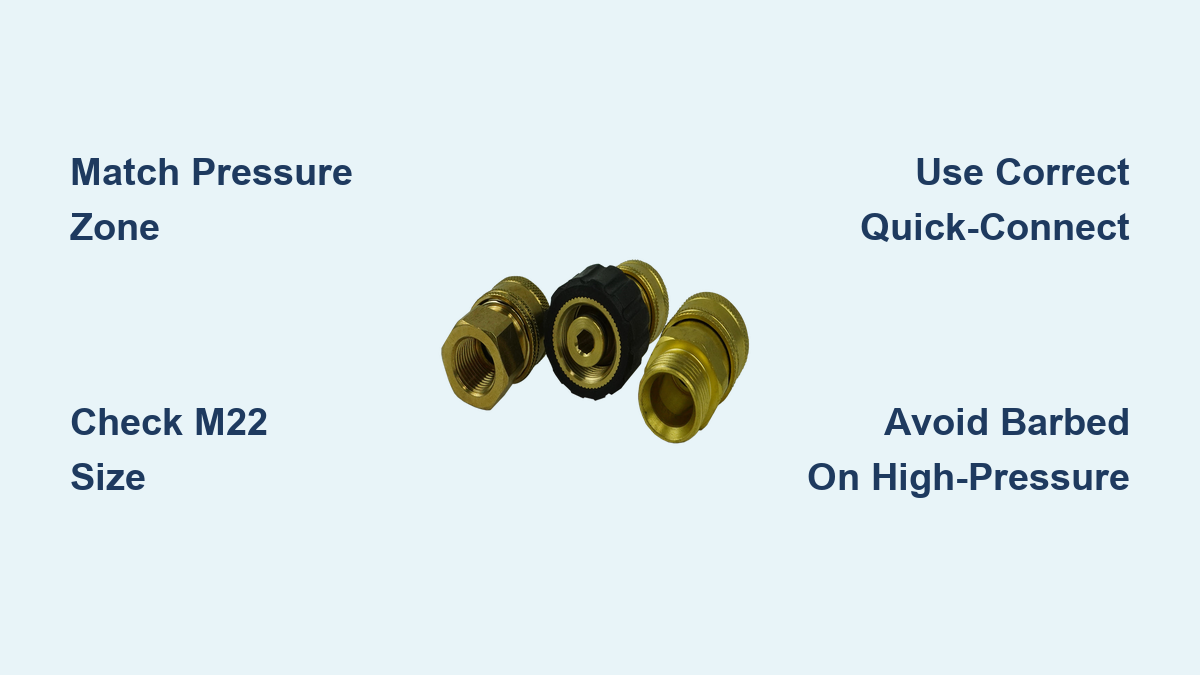
Pressure Washer Connector Types: Complete 2026 Guide
A mismatched connector on your pressure washer often causes leaks, pressure loss, or dangerous hose bursts. With dozens of pressure washer connector types in use across different machines, choosing the wrong fitting can damage your equipment or create serious safety hazards.
This guide explains every major connector style, how to identify them, and where each belongs in your system. You will learn to distinguish between gas and electric fittings, select the correct pressure ratings, and install connections that last.
High-Pressure vs Low-Pressure Zones
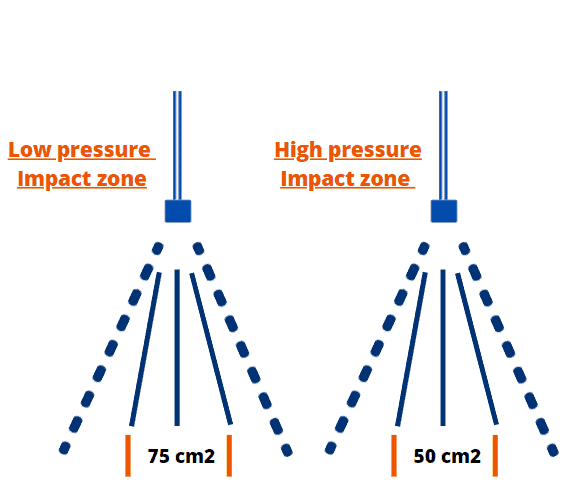
Pressure washer systems operate in two distinct zones with vastly different pressure requirements. Using a connector designed for low pressure in a high-pressure zone leads to catastrophic failure and potential injury.
Identify Your Connection Zone
The high-pressure zone starts at the pump outlet and runs through the hose, gun, lance, and nozzle. This section handles 1,000 to over 4,000 PSI depending on your machine. The low-pressure zone runs from your garden hose to the machine inlet and only handles standard tap pressure of 40 to 80 PSI.
Match Fitting to Pressure Level
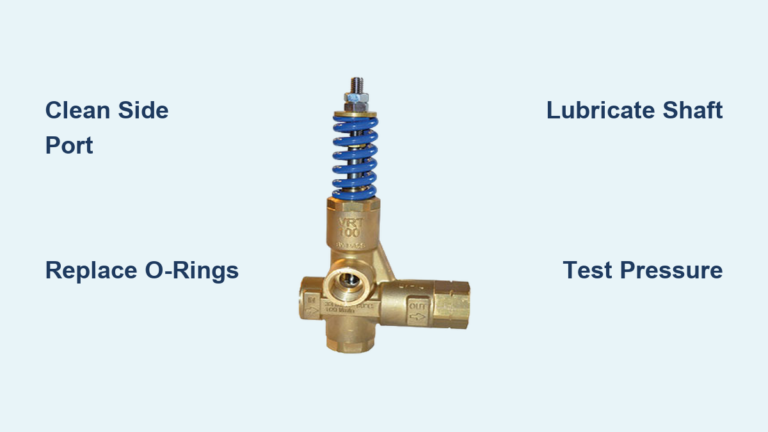
You must use only high-pressure-rated connectors like M22, quick connects, or crimped fittings in the output path. Standard hose bibs, compression fittings, or barbed connectors are acceptable only for inlet connections. Never interchange these fittings between zones.
Quick-Connect Couplings Explained
Quick-connect couplings allow you to swap hoses, guns, and nozzles without tools. These flow-through fittings use a push-and-lock mechanism with internal ball bearings to secure the connection instantly.
How Quick-Connects Work
Pull back the sleeve on the female socket to retract the internal ball bearings. Insert the male plug and release the sleeve so the bearings snap into the groove on the plug. These fittings lack check valves, meaning water flows freely if the system is pressurized while disconnected.
Common Sizes and Ratings
Select the correct size based on your specific application needs.
* 1/4 inch: Used for nozzles and lances with a rating up to 6,700 PSI.
* 3/8 inch: Connects hoses to guns and handles up to 5,500 PSI.
* 1/2 inch: Reserved for industrial hoses with a limit of 3,000 PSI.
Material and Durability
Stainless steel offers the best corrosion resistance for professional use. Brass fittings are durable but may corrode over time, while zinc options are cheaper and unsuitable for wet or salty environments. Replace worn O-rings regularly to maintain a tight seal.
Threaded Connectors: NPT, BSP, and M22
Threaded fittings provide secure, permanent connections ideal for pumps and fixed lines. Understanding the difference between thread standards prevents leaks and equipment damage.
NPT and BSP Standards
NPT is the U.S. standard featuring tapered threads common on garden hose bibs. BSP is the international standard and looks similar but is not interchangeable with NPT. Always verify your thread type before attempting a connection.
M22 Connectors: Critical Size Difference
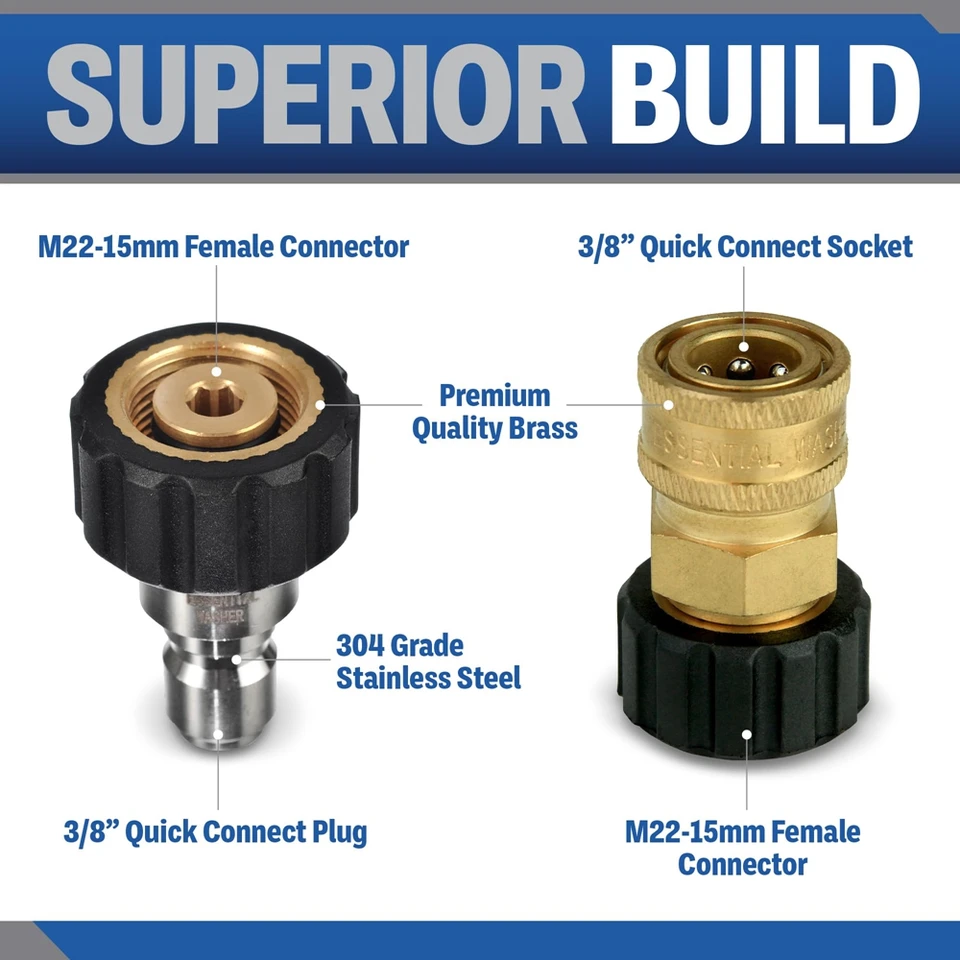
The M22 x 1.5mm fitting is common on pumps, but it comes in two non-interchangeable sizes. Gas pressure washers use the M22-14mm size, while electric pressure washers typically use the M22-15mm size. Forcing the wrong size damages threads and causes immediate leaks.
How to Identify M22 Size
Measure the inner bore of the fitting to determine compatibility. A 14mm bore measures approximately 0.55 inches, while a 15mm bore measures about 0.59 inches. Check your manufacturer specifications if you cannot measure accurately.
M22 vs 3/8 Inch Thread Confusion
M22 and 3/8 inch threaded fittings look similar but are not the same. The 3/8 inch threads are narrower and will not seat properly on M22 ports. Always verify both thread pitch and diameter before installation.
Compression Connectors for Wands and Extensions
Compression fittings secure lances and extensions using an O-ring and tapered seat rather than thread interference. This design creates a watertight seal without relying on tight threads.
How Compression Fittings Seal
Tightening the nut compresses the internal O-ring against a conical surface. You should only tighten these 1/4 to 1/2 turn past hand-tight to avoid deforming the O-ring. Apply PTFE tape counterclockwise on male threads as a backup barrier.
Installation Best Practices
Follow these steps for a secure connection.
1. Slide the fitting onto the hose.
2. Thread it in by hand until snug.
3. Tighten with a wrench no more than 1/2 turn.
4. Test for leaks before full use.
Overtightening deforms the O-ring and causes leaks, so use minimal force with tools.
Crimped Connectors: For Professional Use

Crimped fittings represent the gold standard for commercial and industrial pressure washers. These connectors are mechanically compressed onto the hose using a specialized machine for a permanent bond.
Why Crimped Hoses Are Superior
This method creates a high pulse resistance that withstands constant pressure cycling better than threaded options. The result is a leak-proof connection with no threads or O-rings to fail under stress. Professional-grade hose assemblies almost always use this method.
Not for DIY Repair
You cannot repair crimped hoses in the field if they leak. Attempting to reuse or re-crimp them without proper machinery is unsafe. Replace the entire assembly if a crimped connection fails.
Barbed Connectors: Suction Side Only
Barbed fittings are simple push-in connectors designed exclusively for low-pressure inlet lines. They rely on sharp ridges to grip soft tubing and resist suction pull.
Where Barbed Fittings Are Used
These fittings connect chemical injection siphon hoses, detergent pickup tubes, and low-pressure auxiliary lines. They are common on 3/8 inch or 1/4 inch internal diameter tubing.
Why They Fail on High Pressure
Barbed connectors lack the structural reinforcement needed for high pressure. Using them on the high-pressure side causes the hose to blow off instantly, creating a dangerous spray hazard. Never use barbed fittings on the output side of your pump.
Removing Barbed Hoses
Pull the hose straight while wiggling it gently to remove. Do not twist the hose, as this can damage the barb. Cut the hose off carefully if it remains stuck.
Hose Bib Fittings: Inlet Water Connection
The hose bib connects your garden hose to the pressure washer water inlet. This fitting typically uses a 3/4 inch NPT thread standard in the U.S.
Standard 3/4 Inch NPT Design
A rubber O-ring inside the fitting creates the seal against the garden hose. A built-in mesh filter screen traps debris to protect the pump from damage. Hand-tighten only, as overtightening can crack the fitting.
Maintenance Tips
Clean the screen regularly to prevent clogging that reduces water flow. A blocked filter causes pump cavitation and premature wear. Replace damaged O-rings immediately to maintain a proper seal.
Gas vs Electric Washer Compatibility
Compatibility varies significantly between gas and electric models, affecting which pressure washer connector types you can use.
Gas Washer Connectors
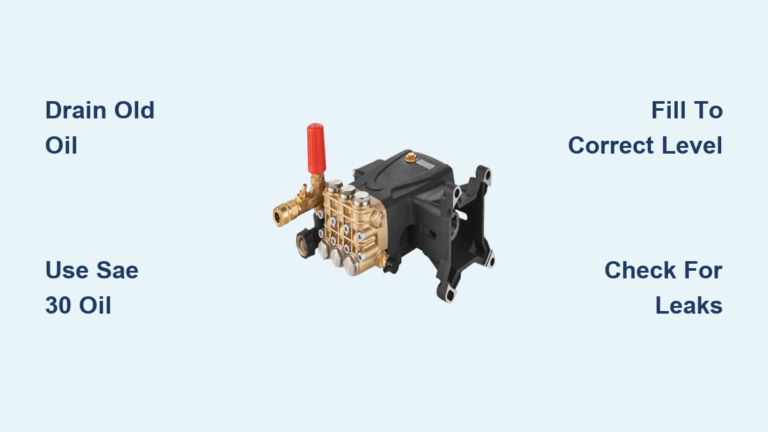
Gas units generally use standardized fittings, making accessory swaps easier across brands. The pump outlet is universally M22-14mm, while hoses and guns typically use 3/8 inch quick connects or threaded ends.
Electric Washer Connectors
Electric models often use brand-specific designs with limited cross-compatibility. M22 fittings on these units are usually 15mm, and quick-connect sizes may vary by manufacturer like Kärcher or Ryobi. Using off-brand accessories can void warranties or cause leaks.
How to Check Compatibility
Consult your manual or manufacturer website before buying accessories. Measure existing fittings for internal diameter and thread pitch. Use only recommended or certified accessories to ensure safe operation.
How to Choose the Right Connector
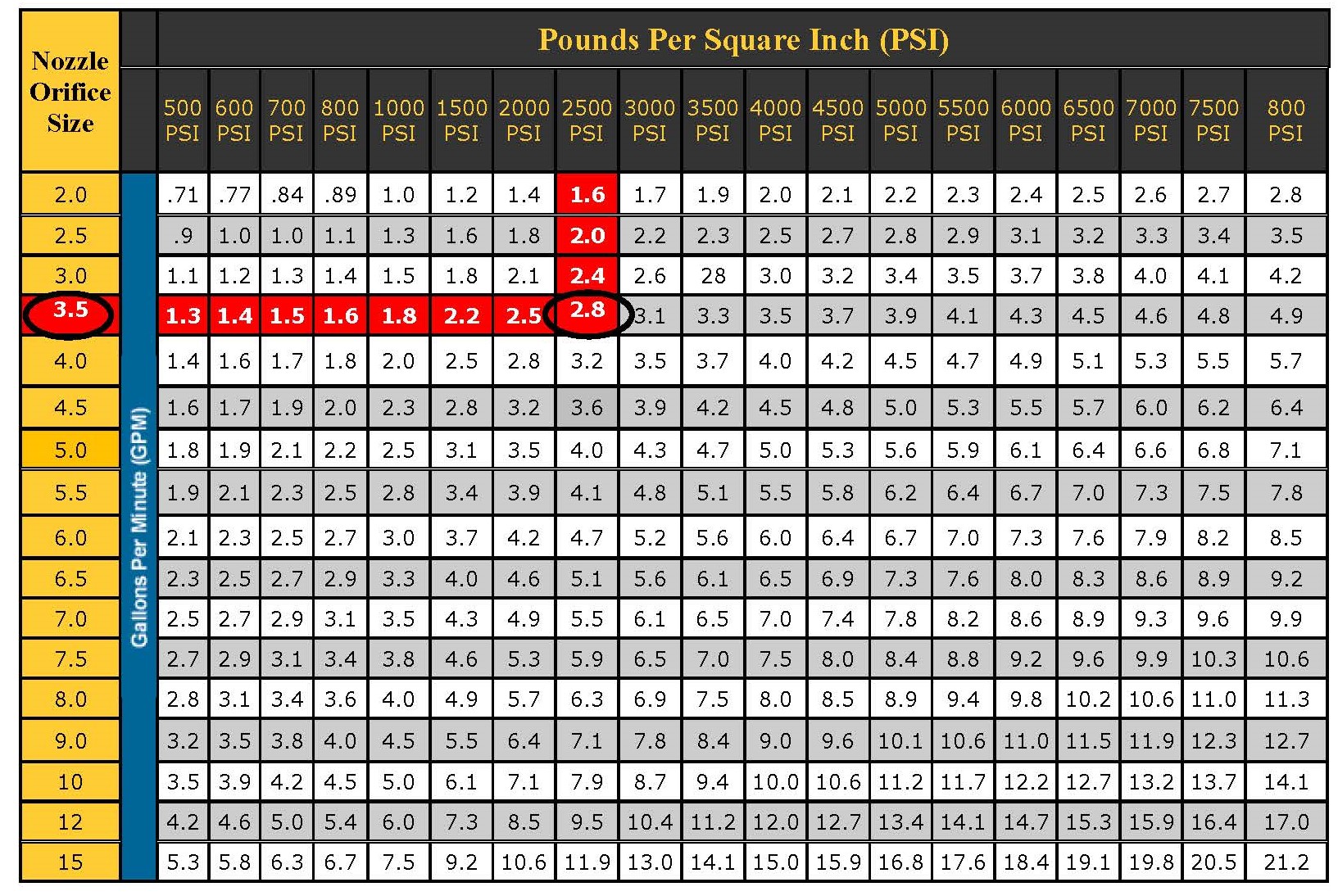
Selecting the correct fitting requires matching your pressure, flow rate, and usage frequency.
Match Pressure and Flow Needs
Low-flow home units under 2.0 GPM work well with 1/4 inch quick connects or M22-15mm fittings. Mid-range gas units need 3/8 inch quick connects and M22-14mm fittings. Commercial units over 4 GPM require 1/2 inch quick connects or crimped hoses to reduce flow restriction.
Do Not Confuse Hose ID with Fitting Size
A 1/4 inch internal diameter hose can have M22, 3/8 inch, or quick-connect ends. The fitting geometry determines compatibility, not the width of the hose itself.
Consider Usage Frequency
Occasional users can rely on quick-connects or threaded fittings for convenience. Daily commercial users should only use crimped hose assemblies for maximum safety and longevity.
Installation and Maintenance Guide

Proper installation extends the life of your equipment and ensures safe operation. Follow these steps for every connection.
Step-by-Step Connection Process
- Turn off water and power sources.
- Inspect hoses for cracks, bulges, or leaks.
- Clean fitting surfaces to remove dirt or old tape.
- Wrap PTFE tape counterclockwise on male threads for threaded connections.
- Hand-tighten first, then use a wrench for 1/4 to 1/2 turn.
- Pull the sleeve back on quick-connects, insert the plug, and release to lock.
- Turn on water first to purge air from the system.
- Check for leaks before starting the machine.
O-Ring Maintenance
Inspect O-rings in quick connects and compression fittings monthly. Replace them if they appear cracked, flattened, swollen, or missing. Keep spare O-rings made of Buna-N, EPDM, or Viton on hand.
Leak Diagnosis Tips
Tighten slightly or reapply PTFE tape if you see leaks at threads. Replace the O-ring or fitting if a quick-connect leaks. Check for loose connections or worn O-rings if pressure feels intermittent.
Safety Warnings and Best Practices
Safety is paramount when working with high-pressure systems. Ignoring these warnings can lead to severe injury.
Never Repair High-Pressure Hoses
Do not patch, tape, or splice a leaking high-pressure hose. The stored energy can cause explosive failure. Always replace the entire hose assembly if damage occurs.
Use Correct Tools
Use a wrench for threaded fittings but avoid excessive force. Never use pliers on quick-connect sleeves, as they can deform the mechanism and cause failure.
Pressure Rating Rule
Always use connectors rated above your washer’s maximum PSI. A 3,000 PSI washer needs fittings rated for at least 3,500 PSI to handle pressure spikes safely.
Avoid Mixing Fittings
Never put M22-14mm fittings on electric units or barbed fittings on high-pressure lines. Mismatched fittings fail under stress and create hazardous situations.
Frequently Asked Questions About Pressure Washer Connector Types
Can I use a barbed fitting on the high-pressure hose?
No, barbed fittings are strictly for low-pressure suction sides like chemical injectors. Using them on the high-pressure output will cause the hose to blow off instantly.
How do I tell the difference between M22-14mm and M22-15mm?
Measure the internal diameter of the fitting. Gas washers use 14mm, while electric washers typically use 15mm. They are not interchangeable and will leak if mixed.
Why is my quick-connect coupling leaking?
The internal O-ring is likely worn, cracked, or missing. Replace the O-ring with a new one made of Buna-N or Viton to stop the leak.
Do I need PTFE tape for compression fittings?
Yes, wrap PTFE tape counterclockwise on the male threads as a backup seal. The primary seal comes from the O-ring, but tape helps prevent spray leaks.
Can I repair a crimped hose connection?
No, crimped hoses cannot be repaired in the field. You must replace the entire hose assembly if the crimped connection fails or leaks.
What size quick-connect do I need for my nozzle?
Most nozzles and lances use 1/4 inch quick connects. Larger 3/8 inch connects are typically used for linking the main hose to the spray gun.
Key Takeaways for Selecting Pressure Washer Connector Types
Choosing the correct pressure washer connector types ensures your system operates safely and efficiently. Always match the fitting to your specific pressure zone, distinguishing between high-pressure output and low-pressure inlet requirements. Verify compatibility between gas and electric models, particularly with M22 sizes, to prevent leaks and damage.
Inspect O-rings regularly and replace damaged fittings immediately to maintain performance. Never attempt to repair high-pressure hoses, and always use connectors rated above your machine’s maximum PSI. With the right knowledge and parts, you can keep your pressure washer running reliably for years.