How to Connect Pressure Washer Hoses Together
Struggling to reach the back of your house or clean a large driveway often means you need more hose length. You can solve this by learning how to connect pressure washer hoses together using the right fittings and safety steps.
This guide explains how to identify inlet versus outlet systems, select compatible M22 or quick-connect fittings, and join hoses without losing pressure. You will discover professional methods to prevent leaks and ensure your equipment runs safely.
Distinguish Between Inlet and Outlet Hose Systems
Every pressure washer has two distinct water paths that require different connection methods. Confusing the low-pressure inlet with the high-pressure outlet can damage your pump or cause dangerous bursts.
The inlet system pulls water from your spigot into the pump using standard garden hose threads. The outlet system moves highly pressurized water from the pump to your spray gun using specialized heavy-duty fittings.
Identify Low-Pressure Inlet Requirements
The inlet connects to your water source and operates at standard household pressure levels between 40 and 80 PSI. You must use a heavy-duty garden hose designed to resist kinking and rolling over during operation.
Cheap thin hoses degrade quickly and may collapse under continuous use. Always attach this hose to the 3/4-inch male thread found on your machine’s water intake port.
Recognize High-Pressure Outlet Specifications
The outlet hose handles thousands of PSI and features a multi-layer construction with steel wire braiding. These hoses use specific fittings like M22 threads or quick-connect couplings rather than standard garden connectors.
Never attempt to use a regular garden hose for the outlet side as it will fail catastrophically under high pressure. Verify your hose rating matches or exceeds your machine’s maximum output before connecting.
Select Compatible M22 and Quick Connect Fittings

Choosing the correct connector type prevents leaks and ensures long-term reliability for your cleaning setup. The industry standard relies heavily on M22 threads, but critical size variations exist between models.
Understand M22 Thread Variations
Most gas-powered and many electric units use M22-14mm fittings with a 14mm inner bore diameter. However, select electric models like certain Sun Joe Active series units utilize M22-15mm fittings with a 15mm bore.
These two sizes are not interchangeable without a specific adapter. Forcing a 14mm connector onto a 15mm port causes immediate leaks and potential equipment damage.
Install an M22 15-to-14 adapter if your pump and hose bores do not match. Always check your equipment manual or measure the bore diameter before purchasing new parts.
Evaluate Quick Connect Benefits and Risks
Quick-connect couplings allow you to swap hoses and guns in seconds without tools. They work by inserting a male plug into a female socket and locking it with a retractable collar.
These systems rely on an internal O-ring within the female end to create a watertight seal. While convenient, these O-rings degrade over time and couplings can seize if left connected for months.
Keep spare O-rings on hand and inspect them before every use. Lubricate the mechanism occasionally with 3-in-1 oil or WD-40 to prevent sticking and corrosion buildup.
Attach the Garden Hose to the Water Inlet
Properly connecting the inlet hose ensures your pump receives adequate water flow to prevent overheating. A poor connection here starves the pump and leads to premature seal failure.
Install Heavy-Duty Supply Lines
Select a reinforced garden hose like the Apache model that resists kinking and wear. Connect one end securely to your outdoor faucet or water reservoir.
Attach the other end to the pressure washer’s 3/4-inch male inlet port. If your machine uses a quick-connect kit for the inlet, install the male half onto the machine port first.
Wrap Teflon tape around the inlet threads for extra leak protection even though pressure is low. This simple step adds security against minor thread imperfections.
Prime the Pump Before Starting
Open your water supply fully and let water flow through the hose to purge air. Squeeze the spray gun trigger until a steady stream of water emerges without sputtering.
Never run the pump dry as even a few seconds without water can destroy internal seals. Ensuring the hose is full of water before starting the engine is critical for longevity.
Link High-Pressure Hoses Using Secure Methods
Extending your reach requires joining high-pressure hoses safely to maintain pressure integrity. You can use quick connects for flexibility or brass couplers for a semi-permanent solution.
Method 1: Join Hoses with Quick Connects
This method offers the fastest setup for temporary extensions requiring frequent disassembly. Ensure both hoses have compatible ends with one male and one female connector.
- Check O-rings on both ends for wear debris or flattening.
- Pull back the locking collar on the female socket completely.
- Insert the male plug fully into the socket until it seats.
- Release the collar to lock the connection securely in place.
Verify that both connectors match in size such as 3/8-inch or M22-14mm. Mismatched sizes cause leaks or dangerous blowouts under high pressure.
Method 2: Use Brass Pipe Couplers
A 3/8-inch brass pipe coupler provides a durable link for setups used daily or stored connected. This method eliminates O-rings at the joint reducing leak risk significantly.
- Obtain a high-quality brass pipe coupler rated for pressure washing.
- Screw one hose end into one side of the coupler by hand.
- Attach the second hose to the opposite end of the coupler.
- Tighten securely with a wrench but avoid overtightening to prevent damage.
Professionals often prefer this method for extended storage since quick connects tend to seize. It creates a strong simple connection perfect for long-term extensions.
Prevent Pressure Loss During Extension
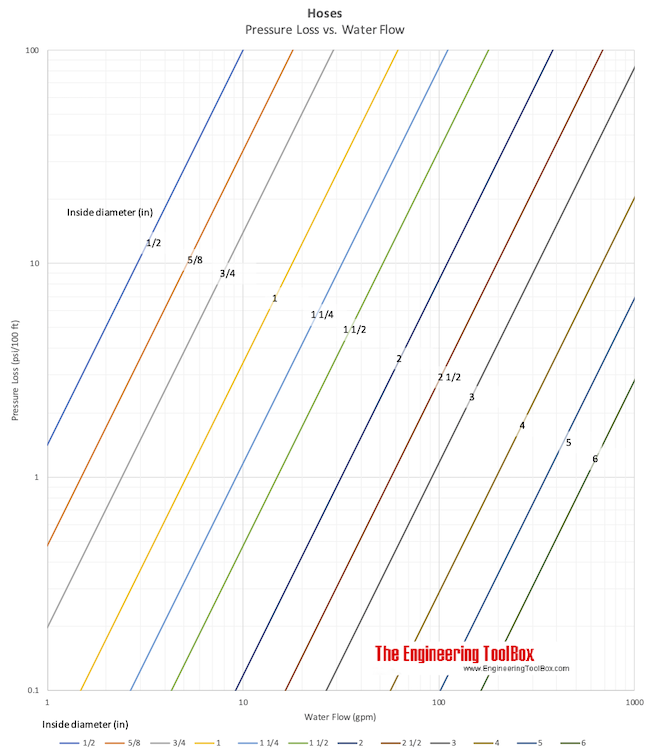
Adding hose length introduces friction that reduces pressure and increases potential failure points. Strategic planning helps minimize these effects while maintaining cleaning power.
Limit Total Hose Length Effectively
For home use stick to a total length of 25 to 50 feet for optimal performance. Commercial users can manage 50 to 100 feet but should avoid exceeding 250 feet.
Excessive length causes significant pressure drops and makes the hose difficult to maneuver. Using multiple 50-foot hoses is smarter than one massive 100-foot unit.
If a section fails you only replace the damaged part saving time and money. This modular approach keeps your system cost-effective and manageable.
Match Hose Diameters Correctly
When combining different hose sizes connect the smaller diameter hose to the pump first. Attach the larger diameter hose closer to the spray gun end of the system.
This configuration maintains better pressure flow through the entire line. Avoid placing swivels between hoses as they add unnecessary bulk and failure points.
Store your setup with the female end facing inward toward the pump for compactness. This orientation protects the locking collar and saves space on reels.
Troubleshoot Leaks and Connection Failures

Even with careful setup issues like sputtering or leaking can occur during operation. Diagnosing these problems quickly restores performance and prevents further damage.
Fix Sputtering or Pulsing Water
Sputtering usually indicates air in the line a clogged nozzle or a leaking O-ring. Trigger the gun repeatedly to purge trapped air from the system completely.
Remove and clean the nozzle to ensure no debris blocks water flow. Inspect all O-rings and connections for signs of wear or looseness.
Ensure your water supply valve is fully open to provide adequate flow. A partially closed unloader valve can also cause unstable pressure readings.
Resolve Leaks at Fittings
Threaded connections leaking often need fresh Teflon tape applied clockwise around male threads. Disassemble the joint clean the threads and rewrap before tightening again.
Quick connect leaks usually stem from nicked O-rings or debris inside the socket. Inspect the O-ring for flattening and clean the socket thoroughly before reassembly.
Confirm your sizes match perfectly since a 14mm part will not seal on a 15mm port. Replace damaged components immediately rather than trying to force a fit.
Maintain Hoses and Store Equipment Properly
Regular maintenance extends the life of your hoses and prevents future connection headaches. Proper storage techniques protect fittings from damage and environmental wear.
Inspect and Lubricate O-Rings Regularly
Check O-rings in quick connects before every single use for cracks or stretching. Replace them immediately if they appear flattened or damaged to prevent leaks.
Lightly lubricate fittings with WD-40 or silicone spray to prevent drying and sticking. Clean threads and O-rings to remove dirt before making any connections.
Run pump protector fluid through the system after each use to prevent internal corrosion. This simple step keeps seals supple and extends the life of your pump.
Store on Reels to Prevent Damage
Use a wall-mounted reel or frame to avoid kinks and tangles in your hoses. Nylon straps with Velcro are superior to brittle plastic retainers that often break.
Coil high-pressure hoses in large loops about 3 to 4 feet in diameter. This prevents stress on fittings and extends the overall lifespan of the hose assembly.
Final Thoughts on Connecting Pressure Washer Hoses
Successfully learning how to connect pressure washer hoses together requires attention to thread sizes and proper sealing techniques. Always distinguish between low-pressure inlet and high-pressure outlet systems to avoid dangerous mistakes.
Select compatible M22 or quick-connect fittings and maintain them with regular lubrication and inspection. Limit your total hose length to prevent pressure loss and store equipment properly to ensure longevity.
Take action today by inspecting your current hoses and verifying your fitting sizes match your machine. A secure connection ensures safe efficient cleaning for years to come.
Frequently Asked Questions About Connecting Pressure Washer Hoses
Can I connect two high-pressure hoses together safely?
Yes, you can connect two high-pressure hoses using compatible quick connects or a brass pipe coupler. Ensure both hoses have matching thread sizes and pressure ratings to prevent leaks or bursts.
What is the difference between M22-14mm and M22-15mm fittings?
M22-14mm fittings have a 14mm bore used mostly on gas models while M22-15mm have a 15mm bore for some electric units. They are not interchangeable without a specific adapter to bridge the size gap.
Why is my pressure washer sputtering after connecting a new hose?
Sputtering usually means air is trapped in the line or an O-ring is leaking. Purge the air by triggering the gun and check all connections for tightness and debris.
How long can a pressure washer hose be before losing pressure?
Home users should stick to 25–50 feet while commercial users can manage up to 100 feet effectively. Exceeding 250 feet causes significant pressure drops and makes the hose unmanageable.
Should I use Teflon tape on quick connect fittings?
No, quick connects rely on O-rings for sealing so Teflon tape is unnecessary and may interfere with the mechanism. Use Teflon tape only on threaded connections that do not have O-rings.
Can I repair a leaking high-pressure hose?
No, you should never attempt to repair a leaking high-pressure hose due to explosion risks. Always replace the entire hose assembly if you see bulges cracks or persistent leaks.