
How to Store a Washing Machine Properly
Storing a washing machine properly is essential to prevent damage, avoid mold growth, and ensure it works perfectly when you are ready to use it again. Whether you are relocating, renovating, or storing your appliance long-term, skipping key steps can lead to costly repairs or premature failure. This guide gives you a clear, step-by-step process to store your washing machine safely and effectively. You will learn how to clean, disconnect, protect, and position your unit for short-term or long-term storage.
Clean Before Storage
Run a Vinegar Cleaning Cycle
Start by eliminating bacteria, detergent residue, and mineral deposits. Run an empty hot water cycle with one cup of white vinegar or a manufacturer-approved cleaner. Use the Tub Clean or Sanitize setting if your model has one. This removes hidden grime and prevents odors during storage.
Wipe Down Interior and Exterior
After the cleaning cycle, wipe the drum, door seal, detergent drawer, and gasket with a microfiber cloth dampened with vinegar. Pay special attention to the rubber boot on front-loading machines, as this area traps moisture and breeds mold. Remove lint and debris from crevices. Clean the exterior with a non-abrasive cleaner to protect the finish.
Dry Completely
Leave the door and detergent drawer fully open for 24 to 72 hours in a well-ventilated space. This ensures all internal moisture evaporates. In humid climates, extend drying time or use a fan. Never skip this step, because trapped water causes mold and corrosion.
Disconnect Safely
Shut Off Water and Power
Turn off both hot and cold water valves behind the machine. Flip the circuit breaker to cut power before touching any connections. This prevents electrical hazards and accidental flooding during disconnection.
Drain All Water Lines
Detach the inlet hoses and drain water into a bucket. Tilt the washer slightly if safe to help empty residual water from the pump and hoses. Check the drain pump filter, common on front-loading models, and remove any lint or debris.
Remove and Label Hoses and Cords
Coil the inlet hoses, drain hose, and power cord neatly. Secure them with Velcro straps or rubber bands. Never kink the hoses. Place all parts in a labeled plastic bag and attach it to the washer or store with your moving supplies.
Secure Internal Components

Lock the Drum or Agitator
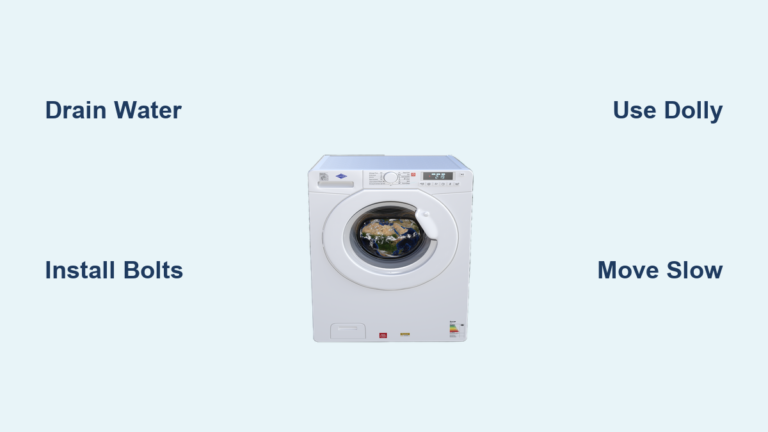
Front-loading washers often come with shipping bolts, usually stored under the rear panel. Reinstall them to stabilize the drum and prevent suspension damage during transport. Top-loaders with agitators may need foam padding between the agitator and drum if no locking mechanism exists.
Never Skip Drum Protection
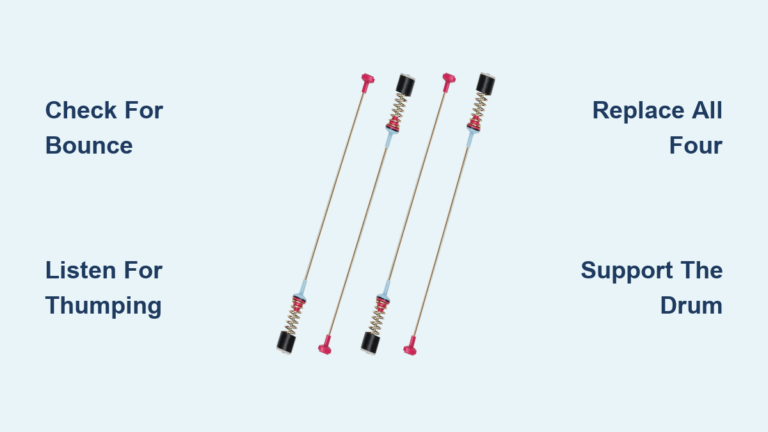
Unsecured drums can shift, damaging shock absorbers or springs. If shipping bolts are missing, contact the manufacturer for replacements. Do not run the machine without them if your model requires them.
Protect During Transport

Tape Door Only for Moving
Use painters tape to hold the door closed only during transport. Remove it immediately upon arrival. Never store with the door taped shut, because this traps humidity inside the drum.
Wrap in Breathable Material
Cover the washer with moving pads or furniture blankets, not plastic. Wrap with large rubber bands at the top, middle, and base to hold padding in place. Rubber bands are reusable and will not scratch surfaces.
Avoid Plastic Wraps
Plastic sheeting or shrink wrap traps moisture and encourages rust and mold. If you must cover the machine, use a breathable fabric appliance cover designed specifically for storage.
Move Upright and Secure
Use a Dolly or Hump Strap
Washing machines weigh 150 to 300 pounds. Use an appliance dolly with straps to move it. Slide the dolly from the front, tilt slightly, and secure with straps. For one-person moves, a hump strap distributes weight across your shoulders.
Keep Upright at All Times
Never lay the washer on its side or back unless the manufacturer explicitly allows it. Tilting beyond 15 to 30 degrees can damage internal components, especially the suspension system.
Secure in Vehicle
In a moving truck, position the washer upright and strap it to anchor points. Do not stack boxes or heavy items on top of the machine.
Choose the Right Storage Space
Store in Climate Control
Use a climate-controlled unit with temperatures above freezing and humidity below 60 percent. Unheated garages, sheds, or basements expose the machine to freezing temperatures, condensation, and rust.
Avoid Extreme Environments
Direct sunlight degrades plastics and seals. Freezing temperatures can crack water lines. High humidity promotes mold growth. These conditions significantly shorten appliance life.
Position for Airflow
Keep Upright on a Dry Surface
Always store the washer upright on a level, dry floor. If placing on concrete, use a wooden pallet or plywood to prevent moisture absorption through the base.
Allow Clearance Around Unit
Leave 2 to 3 inches of space on all sides for air circulation. This reduces condensation and helps prevent rust formation on external components.
Prop Door Open During Storage
After transport, remove any tape and keep the door and detergent drawer open. Place a small cloth or block inside to hold the door ajar. This prevents musty smells and mold buildup.
Prevent Moisture Buildup
Use Moisture Absorbers
Place silica gel packs or a DampRid container inside the drum to absorb ambient humidity. Replace every few weeks in long-term storage situations.
Check Periodically
If possible, inspect the washer every 2 to 4 weeks. Look for signs of moisture, pests, or damage. Wipe down surfaces if condensation appears.
Reinstall and Test
Remove All Packing Materials
Before use, take off moving pads, rubber bands, and shipping bolts. Do not run the washer with shipping bolts installed, because this can destroy the drum and suspension system.
Inspect Hoses and Cords
Check inlet hoses for cracks or brittleness. Replace if needed. Ensure the power cord is undamaged and the plug fits securely into the outlet.
Reconnect and Test
Reattach hoses, restore water supply, and plug in the machine. Run an empty hot cycle with vinegar to flush any dust or odors. Confirm proper drainage, spinning, and check for leaks.
Avoid Common Mistakes
Closed Door Invites Mold
Storing with the door shut traps moisture inside. Always leave it open, because this one step prevents 90 percent of storage-related odors.
Plastic Covers Trap Moisture
Avoid plastic bags, shrink wrap, or vinyl covers. These create a greenhouse effect that promotes rust and mold. Use only breathable fabrics for covering.
Skipping Cleaning Causes Clogs
Residual detergent attracts mold and can clog pumps. Clean thoroughly before storage to prevent these issues.
Losing Small Parts Delays Setup
Bag and label hoses, bolts, and cords. Store them together and attach to the machine so nothing gets lost.
Storing on Its Side Damages Suspension
Unless the manual explicitly allows it, never lay the washer down. Internal components are designed to support vertical loads only.
Frequently Asked Questions About Storing a Washing Machine
Can I store my washing machine in a garage?
Storing in an unheated garage is not recommended. Temperature fluctuations, freezing conditions, and high humidity can damage internal components. Use a climate-controlled storage unit instead.
How long can I leave my washing machine in storage?
A properly stored washing machine can sit for several years without issues. However, checking it periodically and ensuring the door remains open helps maintain its condition over extended periods.
Do I need to remove shipping bolts when storing?
No, you should keep shipping bolts installed during storage to prevent drum movement. Remove them only when you are ready to use the machine again.
Should I keep the detergent drawer open during storage?
Yes, keep both the door and detergent drawer open to allow air circulation. This prevents mold growth and musty odors.
What happens if I do not clean the washing machine before storing it?
Residual detergent, lint, and moisture create an ideal environment for mold, bacteria, and odors. Cleaning before storage prevents these issues and ensures the machine is ready to use when you return.
Key Takeaways for Storing Your Washing Machine
Proper storage protects your investment and ensures your washing machine works like new when you need it. Always clean thoroughly with vinegar, dry completely with the door open, and disconnect water and power sources before storage. Secure internal components using shipping bolts or foam padding, wrap in breathable materials, and keep the machine upright throughout the process. Store in a climate-controlled space with adequate airflow, and check periodically for moisture issues. By following these steps, you prevent mold, mechanical damage, and costly repairs, whether you are storing for a few weeks or several years.